
Starting Fitness Doesn't Have to Be This Complicated
Most people starting a fitness journey don’t fail because of laziness. They fail because the internet gives them seventeen conflicting answers before they’ve even done a single push-up. This category exists to cut through that noise with honest, straightforward beginner fitness content built around real movement, real recovery, and sustainable progress.
Why Beginner Fitness Should Start Simple
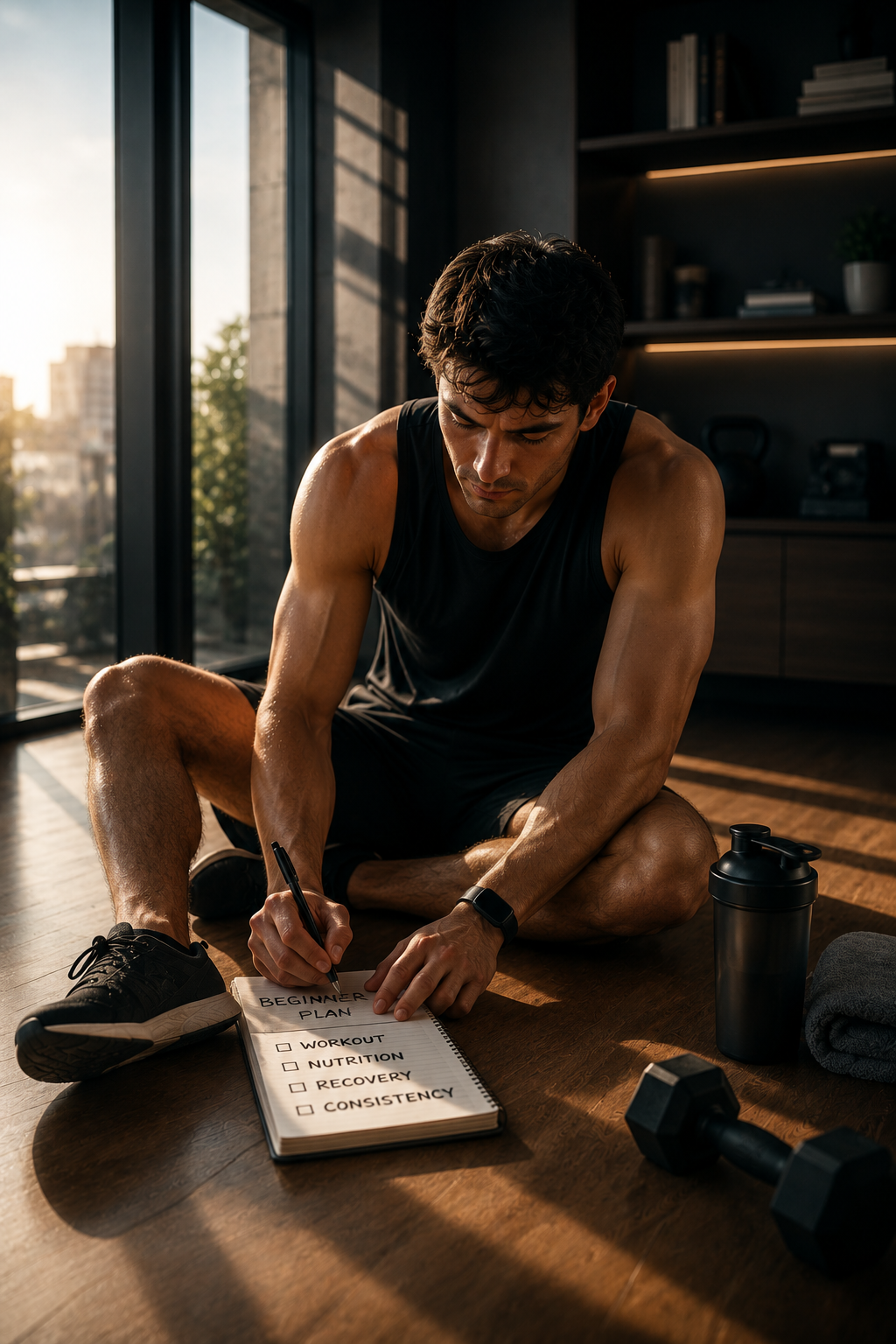
Many beginners mistakenly believe harder workouts yield faster results, but this often leads to injury, discouragement, and burnout because their nervous system, joints, and recovery capacity are unadapted. Starting simple is key. Beginner exercise must prioritize:
- Movement Quality: Learning good form (hinge, squat, push, pull)
- Recovery: Rest is crucial for muscle repair and adaptation.
- Consistency over Intensity: Consistent, short workouts (e.g., 20 mins, 3x/week) build a stable foundation for progressive overload and long-term fitness adaptation. Simple routines are the correct starting point, not a shortcut.
The goal in the first 4–6 weeks isn’t to get fit. It’s to teach your body how to move well and recover properly. Everything else follows from that.
What You'll Find in This Category
Every piece of content here is written for people who are starting from scratch — or restarting after a long break. There’s no assumption of prior fitness experience, no gym required, and no equipment needed for the majority of routines.
Beginner home workouts
Bodyweight routines designed for people with zero training background. No equipment. No gym.
Beginner workout plans
Structured week-by-week programs that teach consistency and introduce progressive load gradually.
Mobility & flexibility
Stretching and joint mobility work to improve movement quality and reduce the risk of early injury.
Low-impact training
Joint-friendly options for overweight beginners, older adults, or anyone returning from inactivity.
Fitness habit building
Sleep, hydration, rest day structure, and scheduling strategies that turn workouts into a real routine.
Daily movement habits
Simple, low-effort movement additions for people who can’t commit to full workouts every day.
Types of Beginner Fitness Content Here
Beginner Home Workouts
The most accessible way to start fitness is inside your own home with nothing but your bodyweight. These routines cover fundamental movement patterns — push, pull, squat, hinge, and core bracing — without requiring any equipment or prior experience. Each workout is structured around exercise form first, giving your nervous system time to build motor patterns before you increase difficulty.
Beginner Workout Plans
A random collection of exercises isn't a plan. A beginner workout plan gives you a schedule, a progression structure, and clear guidance on when to rest and when to push. The plans here are built to run for 4–8 weeks, with each week introducing slightly more volume or difficulty as your body adapts. That incremental approach is what makes beginner fitness plans actually work.
Mobility & Flexibility
Tight hips and stiff shoulders are among the most common reasons beginners struggle with basic movement patterns. Mobility work isn't optional — it's part of a sound fitness foundation. Guides here focus on hip flexor health, thoracic extension, ankle mobility, and the key flexibility areas that directly affect how well your bodyweight exercises feel and function.
Low-Impact Training
High-impact exercise places significant stress on knees, hips, and ankles. For overweight individuals, those returning after injury, or people who've been inactive for years, starting with low-impact routines reduces joint strain while still delivering real cardiovascular and muscular benefits. Walking progressions, modified bodyweight circuits, and steady-state cardio options are all covered here.
Fitness Habit Building
Most beginner fitness plans fail not because the exercises are wrong — but because the habit structure around them isn't built properly. This section covers the practical side of making fitness stick: what time of day to train, how to handle rest days without losing momentum, hydration habits that affect energy, and sleep quality as a core recovery tool. These aren't soft tips — they directly influence your adaptation rate.
Why Consistency Matters More Than Intensity
Frequency and consistency are more powerful than intensity for a beginner fitness journey. Adaptation is a gradual biological process requiring repeated movement stress and recovery. Consistent, short workouts (20-30 minutes, 3x/week) build the habit loop and provide scheduling flexibility, ensuring long-term progress. This approach leads to better muscle coordination, cardiovascular efficiency, reduced soreness, improved fatigue management, better sleep, and the ability to gradually increase training volume. Intensity only works once consistency and good movement quality are established.
Who This Category Is For
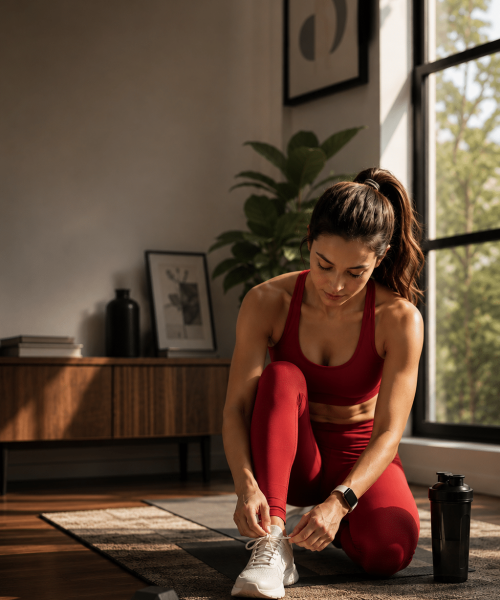
This content is designed for anyone at the beginning of their fitness journey. This includes complete beginners, people restarting after a long break, overweight individuals needing low-impact options, busy individuals needing short home workouts, and those without gym access. It’s for anyone overwhelmed by conflicting advice, offering realistic, accessible routines that meet you where you are.
Explore More on This Site
Explore these sections to build your foundation: Home workouts, Weight loss, Plans, Daily habits, Tips, Low-impact training, and Mobility/Stretching. If unsure where to begin, choose a beginner workout plan or a no-equipment home workout. Start with a simple, repeatable routine: commit to 3 sessions weekly, focus on movement quality, and prioritize habit-building for long-term progress.